🔍 Where to Check Your Pet for Ticks
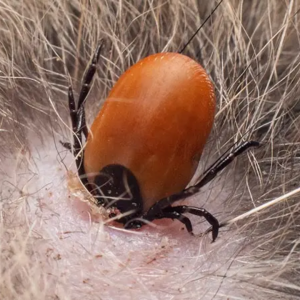
Ticks can be surprisingly easy to miss, especially when they’re small or hiding in thick fur. One of the most common signs is spotting a small, dark bump on your pet’s skin that wasn’t there before. As ticks feed, they swell and become more noticeable, often looking like a tiny greyish-brown lump attached to the skin.
You might also notice your pet scratching, licking, or nibbling at a particular area more than usual. Regularly running your hands over your pet after walks is one of the best ways to check. If you feel anything unusual or see a small, firm bump, part the fur to take a closer look—it could be a tick that needs removing promptly.
After walks or outdoor play, always check your pet thoroughly. Ticks love warm, hidden areas such as:
- Around the ears and eyes
- Under collars
- Between the toes
- Under the legs (armpits)
- Groin area
- Around the tail and rear
- Along the neck and shoulders
How to Safely Remove a Tick
Never pull a tick off with your fingers or twist it, as this can leave parts behind and increase the risk of infection.
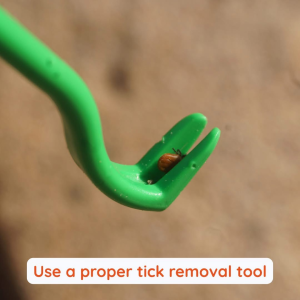
- Use a proper tick removal tool from your vet or pet shop.
- Slide the tool under the tick, close to your pet’s skin.
- Gently twist and pull upwards until the tick comes away completely.
- Dispose of the tick safely by sealing it in tissue and flushing it, or placing it in a sealed bag in the bin.
- Clean the bite area with pet-safe antiseptic and wash your hands thoroughly.
How to Prevent Ticks on Pets
Prevention is always better than cure. Protect your pets with these simple steps:
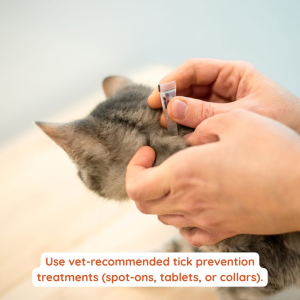
- Use vet-recommended tick prevention treatments (spot-ons, tablets or collars)
- Keep your garden tidy and grass short
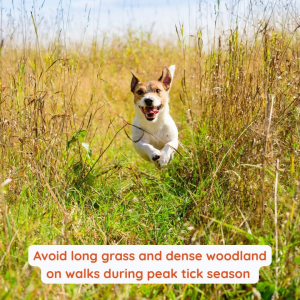
- Avoid long grass and dense woodland during peak tick season (spring to autumn)
- Groom your pet regularly to spot ticks early
⚠️ Tick-Borne Diseases: Why It Matters
Ticks can carry diseases such as Lyme disease, which may affect both pets and humans. Early detection and prompt removal are key to reducing risk. If your pet seems unwell after a tick bite, always contact your vet for advice.
Keep Your Pet Safe and Tick-Free
Regular checks, prevention, and quick removal can make all the difference. A few minutes of care after walks helps keep tails wagging and whiskers twitching — tick-free and happy!
Stay vigilant and protect your pets year-round.